
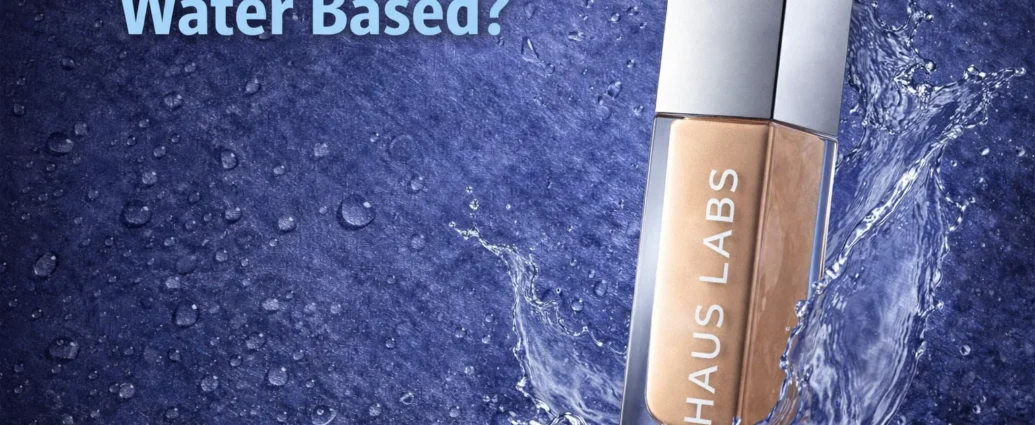
If you have ever stared at the ingredient list on a foundation bottle trying to figure out what it is actually made of, you are not alone. One of the most searched questions about this product is: is Haus Labs Foundation water based? The answer matters more than you might think. It affects which primers you use, whether you get pilling, and how long your makeup lasts. This article gives you the clear, honest answer, explains the formula in plain language, and helps you get the best results from this foundation whatever your skin type.
The Short Answer: Yes, Haus Labs Foundation Is Water Based
The Haus Labs Triclone Skin Tech Foundation lists Aqua (Water) as its very first ingredient. In cosmetic formulation, the first ingredient on a list is always the one present in the highest amount. Because water is listed first, this foundation is officially classified as a water-based formula.
Haus Labs has also confirmed this directly in community discussions on the Sephora Beauty Insider forum, telling users that the foundation is water based and recommending it be paired with water-based skincare and primers.
So if you need a one-line answer for a search box: yes, Haus Labs Triclone Skin Tech Foundation is water based.
But Here Is Where It Gets Interesting
Calling it simply “water based” does not tell the whole story. Right after water on the ingredient list, you will find a string of silicones: Diphenylsiloxy Phenyl Trimethicone, Phenyl Trimethicone, Caprylyl Methicone, and more. These silicone ingredients appear in positions two through six on the list, meaning they are present in significant amounts.
This makes the Haus Labs Foundation what formulators call a water-in-silicone hybrid. Water is the dominant base and the main solvent, but the silicones play a major supporting role in how the product feels, applies, and wears on skin.
Think of it like this: the water gives the formula its light, breathable, serum-like quality. The silicones are what make it feel silky, help it glide across skin without dragging, and give it its long-wear performance.
Neither ingredient group cancels the other out. They work together, and that is actually what makes this formula so unique.
What Is Actually in Haus Labs Triclone Foundation?
Here is a plain-language breakdown of the key ingredient groups:
Water (Aqua)
The main base and primary solvent. Water is why the foundation feels lightweight and breathable. It makes up the largest portion of the formula and is the reason the product is classified as water based.
Silicones (the “Triclone” part)
The name Triclone is literally a nod to three silicone ingredients. These create a smooth surface on skin, fill in fine lines temporarily, and form a flexible film that helps the foundation last. Silicones are also why the finish looks velvety and skin-like rather than flat or cakey.
Glycerin and Butylene Glycol
These are humectants, which means they pull moisture from the air into your skin. They are a big reason the foundation feels comfortable to wear for hours, especially on dry or normal skin.
Hydrolyzed Hyaluronic Acid and Squalane
Two popular skincare actives added for hydration and barrier support. The hydrolyzed hyaluronic acid is a smaller molecule that can work on the skin’s surface, while squalane is a lightweight oil that softens without clogging pores.
Fermented Arnica (Patent-Pending)
This is the brand’s hero ingredient. Arnica is traditionally used to calm inflammation and reduce redness. The fermented version used here is Haus Labs’ own proprietary technology, designed to visibly even skin tone and protect from environmental stress. Many reviewers with redness or rosacea say it makes a noticeable difference.
BioFerment 7 Complex and IntelliZen 7 Complex
Two other proprietary blends. The BioFerment 7 is an antioxidant-rich ferment complex aimed at anti-aging and protection from oxidative stress. IntelliZen 7 is a blend of medicinal herbs meant to promote skin healing and calming. Together, these are part of why Haus Labs markets this as a skincare-infused foundation.
What Does Being Water Based Mean for Your Skin?
Knowing the formula type helps you make smarter choices about what to put under and over it.
For Oily Skin
Water-based foundations tend to feel lighter and less greasy on oily skin compared to oil-based ones. However, the silicones in this formula mean oily skin types may still need a mattifying primer in the T-zone and a light setting powder to extend wear. Without them, you might notice extra shine around the four to six hour mark.
For Dry Skin
The humectants (glycerin, butylene glycol) and skin-loving ingredients like squalane and hyaluronic acid make this a comfortable option for dry skin. The key is to prep well. Apply a nourishing moisturizer and give it at least five minutes to absorb before applying the foundation. If your skin has dry patches, the foundation can cling to them if prep is skipped.
For Combination Skin
This is where the formula really shines. The water base keeps it feeling breathable while the silicones provide enough structure to last through a long day. Most reviewers with combination skin report wearing it for eight hours or more with minimal touchups.
For Sensitive or Acne-Prone Skin
The foundation is noncomedogenic (will not clog pores), non-acnegenic, and has been dermatologist tested. It is also free from parabens, sulfates, and over 2,700 other flagged ingredients. The fermented arnica and calming herb complexes make it especially appealing for reactive skin.
The Pilling Problem: Why It Happens and How to Fix It
One of the most common complaints about this foundation is pilling, which is when the product rolls into little flakes on your skin rather than sitting smoothly. This happens because of the silicone content.
When you layer silicone-heavy products on top of each other, or when water-based layers have not fully absorbed into the skin, the surface tension between formulas causes them to repel each other and ball up.
Here is how to avoid it:
Wait for your skincare to absorb fully. Give your moisturizer and serum at least three to five minutes before picking up your foundation. Rushing this step is the number one cause of pilling.
Avoid heavy or gripping primers. Thick, mattifying, or pore-filling primers can create a layer that the foundation cannot bond with. Reviewers consistently find this foundation works better without a heavy primer, or with a lightweight skincare-style primer.
Use a tapping motion, not rubbing. Applying the foundation by pressing and tapping with a damp sponge, rather than swiping or rubbing, reduces friction that causes pilling.
A little goes a long way. Over-applying is another cause. Half a pump is often enough for medium coverage.
Best Primers to Use with Haus Labs Foundation
Since this is a water-based formula with significant silicone content, picking the right primer makes a real difference.
Lightweight hydrating primers work well for dry and normal skin. Look for primers that feel like serums rather than thick creams. Options like Milk Makeup Hydro Grip or similar hydrating, non-tacky primers create a good base.
Sunscreen as primer is a favorite trick among makeup artists and everyday users. A lightweight SPF like Everyday Humans Resting Beach Face SPF 30 or similar products primes the skin, adds sun protection, and layers beautifully under this foundation without causing pilling.
Blurring primers with a light powder base work for oily skin types who want shine control. The Laura Mercier blurring primer and TULA Filter Primer are popular choices. Apply only to the T-zone rather than all over to avoid heaviness.
Skincare-esque primers are the safest all-around bet. Products like RMS ReEvolve or similar lightweight formulas that feel more like moisturizers than traditional primers let the foundation breathe and apply the most naturally.
What to avoid: thick silicone-only blurring primers, heavy pore-filler style primers, and anything with a rubberized or gripping texture. These create conflict with the formula and are the most likely to cause a heavy, layered appearance.
How Does It Perform? Real-World Results
With nearly 14,000 reviews on the Haus Labs website averaging 4.7 out of 5 stars, this is one of the most talked-about foundations in the clean beauty space. Here is what most users agree on:
The texture is serum-like and easy to blend. It does not drag or streak. Coverage starts at a natural, skin-like medium and can be built up without going cakey. The finish is slightly luminous but not dewy or shiny, leaning more toward velvety or “your skin but better.” Most users report solid wear of six to eight hours, sometimes longer with setting powder.
The fermented arnica genuinely helps with redness for many users, which is a standout claim that reviewers frequently confirm. People with rosacea or general skin redness often mention it as a reason they keep repurchasing.
Conclusion:
So, is Haus Labs Foundation water based? Yes. Water is the primary ingredient and the official base of the formula. But this is not a plain, simple water-based foundation. The silicones that follow water on the ingredient list are what give it the smooth, second-skin finish and the staying power that reviewers love.
Understanding this hybrid nature is the key to getting the most out of it. Use lightweight primers, let your skincare absorb before applying, tap rather than rub, and use just a small amount to start. Do those things, and this formula performs beautifully for most skin types.